
Why a Marketing Resume is Superior to a Standard Resume
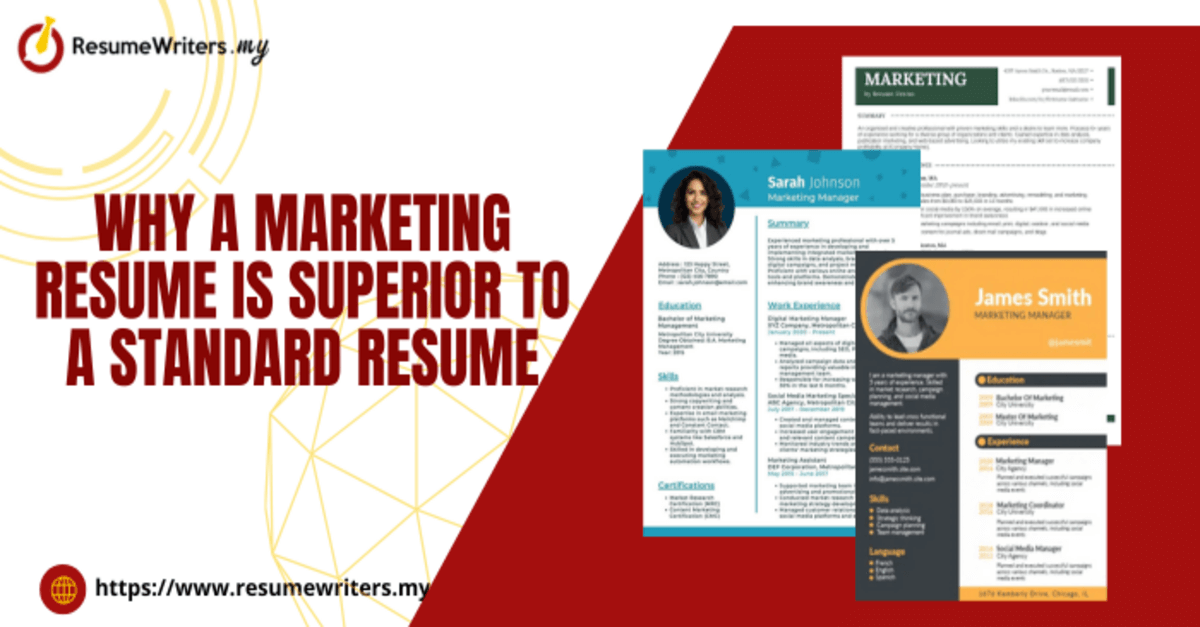
A hiring manager sits down with a cup of coffee, opens their laptop, and finds a long list of files. One after another, they all look the same. Black text on a white background, with the same old format. By the fifth one, their mind is already drifting. Nothing feels fresh, and nothing makes them stop.
Then suddenly, a new file opens. It looks different. Not messy, just alive. It talks about wins, not just duties. It shows real impact, not boring lines copied from a job description. For the first time that morning, the manager actually leans forward. This one feels like someone worth getting to know.
That pause is everything. These days, people often skim and do not take the time to read a document; you get only seconds to grab their attention. If your words didn’t spark interest in a few seconds, then you are not going to be on the list for a second chance at all.
And here’s the tough part: a plain document doesn’t sell itself. It just lists facts. But facts don’t win jobs; instead, proof and personality do. Think about it. Two people can have almost identical backgrounds. One receives interview calls, while the other continues to wait. The difference is not talent. It’s how their story is told.
It’s like walking through a store. Two products have the same quality, but one has packaging that makes you grab it without thinking. This isn’t about fancy designs or over-the-top words. It’s about showing yourself in a way that sticks. In the next sections, you’ll see this difference come to life. We’ll let two styles go head-to-head and even give you a quick test to check where you stand.
A Small Conversation That Says It All
So, consider two files on the recruiter’s desk. One is a standard resume, and the other is a marketing resume. Let’s listen in.
Plain File
I’m simple. I list education, jobs, and skills. Nothing fancy, just straight to the point.
Polished Marketing File
True, but you sound like everyone else. I don’t just list but highlight results. I show how problems were solved, how goals were hit. That’s what gets attention.
Plain File
But I’m safe. No extra style and no risk of being too much.
Polished Marketing File
Safe often means forgettable. Recruiters read hundreds of pages a week. If you don’t make them pause, you’re gone in seconds.
Plain File
I still manage to convey the basics.
Polished Marketing File
Basics don’t win jobs. People want proof, numbers, and clear stories. You can’t just tell them what you did; you have to show the impact.
The conversation ends there. One is neat but invisible. The other sells value. Now, think about it as if you were the recruiter, who would you call first?
Marketing Resume vs. Standard Resume
When people apply for jobs, they usually send one of two styles. One is the standard resume, and the other is the marketing resume. Both show work history, but they serve very different purposes.
Standard Resume
- Lists education, job titles, and tasks.
- Follows a traditional format, usually plain text.
- Uses general phrases like “responsible for handling clients.”
- Safe and formal, but it often looks like every other file in the pile
Marketing Resume
- Focuses on achievements and results, not just duties.
- Uses numbers, percentages, or short stories to prove success.
- Designed to look clear and easy to scan.
- Makes the candidate feel like a brand, not just another applicant.
The difference is simple because a standard one tells, while a marketing one shows. One says, “I did this,” while the other says, “Here’s what changed because of me.”
For hiring managers, this makes a huge impact. With so many files to read, they don’t want to dig for details. They look for evidence up front in marketing resumes for professionals. That’s why the marketing version often grabs attention faster.
Are You Standard or Marketing?
Here’s a short test to see where you stand. But instead of just asking questions, let’s also examine why each one matters.
- Do you only list duties, or do you show results?
A standard file typically includes details such as “handled social media accounts.” A marketing one says “grew social media followers by 40% in six months.” Results tell your value in a clear way.
- Do you use numbers anywhere?
Employers love facts they can measure. If your file has no numbers, it feels vague. Adding even simple ones like “trained 10 new staff” or “cut costs by 15%” makes a big difference.
- Can someone spot your best points in 10 seconds?
Recruiters scan fast. If your wins are hidden in long lines, they’ll be missed. Short, clear highlights stand out much more.
- Do you send the same copy for every job?
A standard resume often looks the same no matter where it goes. A marketing one is shaped for the role. Tailoring it shows effort, and that effort gets noticed.
- Does your file read like a list or like a story?
Plain ones feel like bullet points only. The stronger ones connect all the dots and show growth. It is like a journey that shows where you started and where you stand now.
If your content on the resume is on the left side, then you are using a standard style. If you tick more boxes on the right side, you’re already closer to a marketing resume.
How They Stack Up
Here’s a quick look at how the two types differ.
| Standard Resume | Marketing Resume |
| List duties and tasks | Shows results and outcomes |
| Uses general words like “responsible for” | Uses action words and numbers like “increased sales by 25%” |
| Same copy sent to every job | Tailored for each role |
| Focuses on past roles only | Shows growth and future potential |
| Easy to miss in a stack | Easy to spot and remember |
Why this matters
- Employers don’t want to guess what you can do;, they want proof.
- Numbers and short wins stand out much more than plain words.
- Tailoring shows effort, and effort builds trust.
- The second type makes you look like a problem-solver, not just a job-filler.
In short, one style gets lost in the pile, while the other has a higher chance of landing on the “call for interview” list. However, if you need professional help, you can look for resume writers Malaysia or any other similar service in your country of residence. These experts possess extensive market knowledge and help create a resume that stands out.
What It Means for You
Looking at the two types side by side, the lesson is simple. The standard style may be safe, but it often gets lost in the noise. The marketing version feels alive, and that’s why it gets noticed.
This doesn’t mean you need flashy designs or big words. It means you should show proof of what you’ve done, add numbers when possible, and shape your file for the role you want. Small details like this can turn silence into interview calls.
Think about it. Employers spend only seconds on each file. If yours looks like all the others, it will be skipped. But if it highlights your real impact, it has a better chance of being remembered.
In short, the way you present your journey can decide whether you wait for replies or get the call you’re hoping for.
Conclusion
Finding a job today isn’t easy. Many people are applying for the same role, and most of the files appear nearly identical. Hiring managers don’t sit and read everything word by word. They glance through, and only a few catch their eye.
That’s why the way you present yourself matters so much. A standard file may show your background, but it doesn’t show your value. The marketing style does. It puts numbers, outcomes, and small wins on the page in a way that makes people stop. And that pause could be all you need.
This isn’t about making things fancy. It’s not about filling the page with buzzwords. It’s about being clear and real. If you helped improve something, write it down. If you have maximized sales or solved problems, write about it.
So, if you continue to send the old version, you will remain unnoticeable. But if you take some time to change your story, you will give yourself a better chance.

I’ve been a professional resume writer and career content creator for years. I offer career advice, CV formatting, and job application tips to help people succeed in their careers. My HR knowledge and writing skills help me provide practical solutions for a less stressful job search. I have helped many professionals improve their resumes leading to better interview results. My goal is to give useful advice for career growth.